Monday, 1 July 2013

Brafton: Cutts on external links: Do it early and often

Changes are afoot at Blogtrottr!
By popular request, we're bringing in paid plans with some cool new features (and more on the way). You can read all about it in our blog post.
Brafton
News Content Marketing
Cutts on external links: Do it early and often
Jul 1st 2013, 18:30, by Lauren Kaye

Cutts says webmasters should include links to original sources in their web content.

Internet marketing discussions have recently focused on the SEO value of external links, especially with recent guidance from Google's Search Engineer Matt Cutts. In a attention-grabbing video, Cutts said that other factors like web design and user experience have a greater influence on PageRank. However, Cutts underscores his point that links have many good years ahead of them.

Link at the beginning or end?

Cutts answers a question about external linking best practices in a new clip, explaining how publishers should give credit to primary sources when producing original web content for their sites. (Note the emphasis on content being created by writers or bloggers, using white hat materials for sources. Cutts says this doesn't apply to spammy autobloggers.)

In terms of SEO, publishers can include links in the text body - attaching links to words such as "study" or the source's name - or create a list at the bottom of the page. Links will flow PageRank whether they're at the beginning or end of an article, he says.

Don't make readers work harder than they have to

"Be considerate on the web and share credit and attribute so that people can do the research for themselves if they want to."

However, Cutts' personal preference is that sites provide backlinks early on in the article, so readers can find the original source as they're reading rather than scroll all the way to the bottom in order to see the primary data. While it may not influence domains' positions in search engine results pages, marketers might be interested to learn about something that really ticks Cutts off - online content that doesn't link back to the original source at all.

For instance, a blogger or journalist might cover a report and provide the proper citation, but fail to include a hyperlink back to the document. This forces readers to jump through hoops if they want to see that actual data after reading the coverage, Cutts implies.

"Link to your sources, whether you're a journalist, whether you're a blogger. Let people go and look at the original information themselves so that they can suss out … what they think about whatever it is you're writing about," he says.

"Link to your sources, whether you're a journalist, whether you're a blogger."

Cutts says webmasters should not misinterpret this as ranking advice - he's "just asking everybody to be considerate on the web and share credit and attribute so that people can do the research for themselves if they want to."

By taking these suggestions to heart, marketers can improve their linking practices and user experience in tandem. Plus, they might even win a few brownie points with Cutts.

Media files:
link-building-best-practices.jpg (image/jpeg, 0.2 MB)
You are receiving this email because you subscribed to this feed at blogtrottr.com.

If you no longer wish to receive these emails, you can unsubscribe from this feed, or manage all your subscriptions

Brafton: Want to know who’s viewing social content? LinkedIn will tell you

Changes are afoot at Blogtrottr!
By popular request, we're bringing in paid plans with some cool new features (and more on the way). You can read all about it in our blog post.
Brafton
News Content Marketing
Want to know who's viewing social content? LinkedIn will tell you
Jul 1st 2013, 17:30, by Lauren Kaye

Social monitoring takes mystery out of clicks

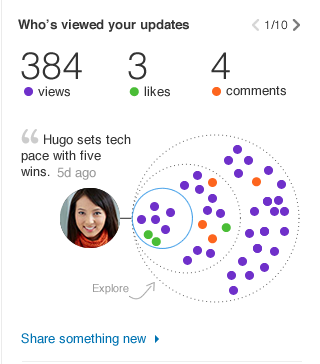
LinkedIn recently introduced new features that make it easier for marketers to gauge their social content's reach and success. A recent post on the LinkedIn blog announced two new additions, the "Who's Viewed Your Updates" and "You Recently Visited" options on the right side of the homepage. Armed with real-time feedback about who is reading brands' social content and whether it's being shared or Liked, marketers can create and deliver branded content that's more engaging.

The "Who's Viewed Your Updates" function allows LinkedIn members to easily see web content they've shared over a 14-day period, as well as the number of times it was viewed, Liked and how many people left comments. This metric accounts for 1st degree connections, but also shows how many people in 2nd and 3rd degree networks viewed the posts.

The "You Recently Visited" feature compiles data about users activity on the site, including the profiles they recently viewed, the discussions engaged with as well as they searches performed.

"This makes it easier to retrace your steps, re-engage in conversations or follow-up with that old colleague you intended to connect with," LinkedIn's blog post states.

LinkedIn's social monitoring features give marketers more data.

With these faster feedback mechanisms, companies can develop flexible content marketing practices that leverage the real-time capabilities of the web. If they see that target audiences interact most with stat-heavy blogs, but rarely click on how-to articles, they can rework their editorial calendars to publish more content that customers find interesting.

Brafton recently reported that brands will have the most success targeting B2B audiences on LinkedIn by offering easy-to-download educational resources. White papers, research from professional organizations, customer case studies and analyst reports are some of the content types B2B buyers trust most.

The introduction of LinkedIn's new features highlight the importance of measurement. Marketers delivering a steady stream of sought-after industry insights must track their growth using social monitoring tools on popular networks and content analytics on their brand websites to give their strategies clear direction.

Media files:
Social-monitoring-takes-mystery-out-of-clicks.jpg (image/jpeg, 0.6 MB)
You are receiving this email because you subscribed to this feed at blogtrottr.com.

If you no longer wish to receive these emails, you can unsubscribe from this feed, or manage all your subscriptions

Brafton: Social video update: Brands spark engagement on Instagram

Changes are afoot at Blogtrottr!
By popular request, we're bringing in paid plans with some cool new features (and more on the way). You can read all about it in our blog post.
Brafton
News Content Marketing
Social video update: Brands spark engagement on Instagram
Jul 1st 2013, 16:30, by Ted Karczewski

Social Media now includes video content capabilities.

Last month, Simply Measured released a study showing 67 percent of top global brands have a presence on Instagram. At the time, the photo-sharing application gave companies new opportunities to position creative graphics in front of customers, and in some cases, engaged prospects more appropriately than other major networks. With its new video content component, Instagram's future looks even brighter, and marketers' mouths are watering over the potential for new promotional campaigns.

Brafton recently published an article that covered data from Topsy's free analytics tool. It noted that since Instagram launched its video feature, visual content creation and sharing on Twitter's Vine app has fallen dramatically. This weighs in on the ongoing debate over which social video application is worth marketers' time, and suggests that Instagram is the clear winner thus far.

Now, Simply Measured has released statistics from several brands using Instagram video, showing how the new social media marketing function has impacted engagement with current followers. In one example, athletic apparel company Lululemon was one of the first organizations to produce and post a video on Instagram. The upload impacted the company's engagement on the platform month-over-month, earning more than double its average 5,785.3 Likes per photo in just a few days.

Another company that has seen results from its first few Instagram videos is GE. The company shares the bulk of its photos on Facebook and Twitter, so it made sense to automate its video content, too. On Facebook, GE has seen 5x the usual engagement on its new video posts.

Marketers looking to add new media types to their content marketing and social strategies should embrace the interactive nature of Instagram video. The latest data from Simply Measured plays into the ongoing battle of the social networks - what do brands pick: Vine or Instagram - and once again Instagram video comes out on top.

Media files:
a-wood-block-of-social-media.jpg (image/jpeg, 0.1 MB)
You are receiving this email because you subscribed to this feed at blogtrottr.com.

If you no longer wish to receive these emails, you can unsubscribe from this feed, or manage all your subscriptions

Brafton: How infographic marketing builds relationships… & links [Infographic]

Changes are afoot at Blogtrottr!
By popular request, we're bringing in paid plans with some cool new features (and more on the way). You can read all about it in our blog post.
Brafton
News Content Marketing
How infographic marketing builds relationships… & links [Infographic]
Jul 1st 2013, 03:25, by Editorial

Infographic 80 Percent Won't Buy Without Brand Trust

Less than a year ago, infographics were the fastest-rising content type on the web. A format that wasn't even cited in the CMI's content benchmark report released at the end of 2011 was used by more than one-third of B2Bs and B2Cs according to data in 2012. And then the market saturated - and many businesses were missing out on bottom-line benefits of infographic marketing to focus on their link building potential.

Brafton's latest infographic, Looks Matter: Attracting Customers with Infographics, explores why graphics are a prime tool for relationship building... though inbound links can follow.

Looks Matter Attract Customers with Infographic Marketing

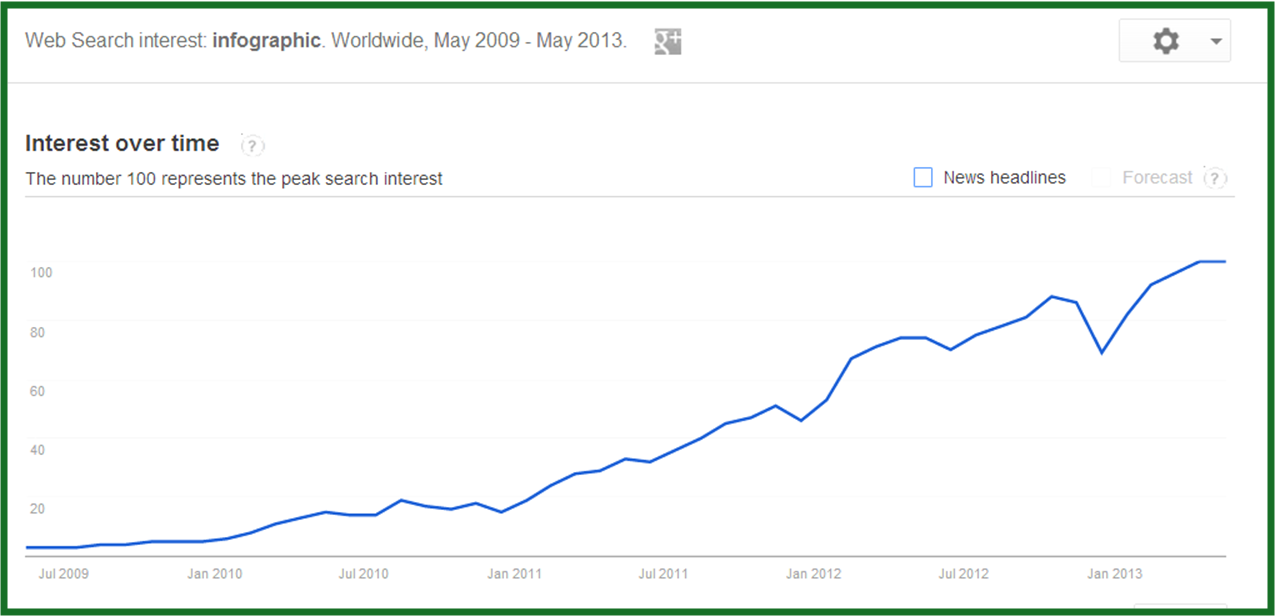
Graphics became a go-to format for link building as businesses were increasingly catching on that content is essential for SEO. This makes sense to the extent that web users did - and still do - love and share them. Search activity for graphics jumped from a three to nearly 100 (which signifies peak searcher interest) in Google's Search Trends between May 2009 and May 2013. 

Google search interest in infographics

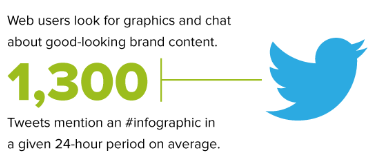
Infographic mentions on Twitter

More, Hashtracking data from earlier this year suggested more than 1,000 Tweets a day used the hashtag #infographic.

But there was evidence to suggest marketers weren't taking people's enthusiasm for infographics as an opening to start interesting brand conversations - at least in Google's mind. As Matt Cutts told Stone Temple Consulting: 

"What concerns me is the types of things that people are doing with [infographics]. They get far off topic, or the fact checking is really poor .. I would not be surprised if at some point in the future we [started] to discount these infographic-type links to a degree. The link is often embedded in the infographic in a way that people don't realize, versus a true endorsement of your site." 

There is an SEO benefit for infographics when they're done right, and link building aside, there's another huge benefit: Relationship building. If you haven't heard, relationships are the new link building  any way - boosting both visibility and positive sentiment among the people you're trying to reach. 

With infographics, brands have the chance to work in a visual medium that can have real emotional impact, which is the subject of Brafton's latest infographic - Looks Matter: Attracting Customers with Infographics. And if you start your infographic marketing with a premise that brand audiences care about, organic link building can follow.  

Visual content: Opening the door for audience relationships

Infographics can get your foot in the door with new users and help build loyalty among existing audiences. There are plenty of stats supporting the idea that graphics resonate with people.  Here are a few (in visual form):

Images_boost_website_engagement

Wesbite content that includes an image gets a 47 percent higher click-through rate than articles without images.

Attractive visuals increase read willingness 80 percentAttractive visuals increase people's willingness to read by 80 percent.

But catching clicks or getting people to read a piece of content is only as good as the the information offered - meaningful emotional impact hinges on your ability to marry great designs with information related to your industry, or your customers' needs and interests. 

Infographic subjects: Striking a (brand) chord

In some cases, graphics about a specific service or the line of products in a Spring 2014 collection will be useful and lend themselves to good-looking graphics. In other cases, it might be tempting to create a graphic on a popular trend that makes no sense for your brand niche. It's critical to find subjects that give people industry information they want, without getting too commercial. This comes back to the ever-present content marketing principle of good storytelling and understanding your audience.

Finding relevant content topics

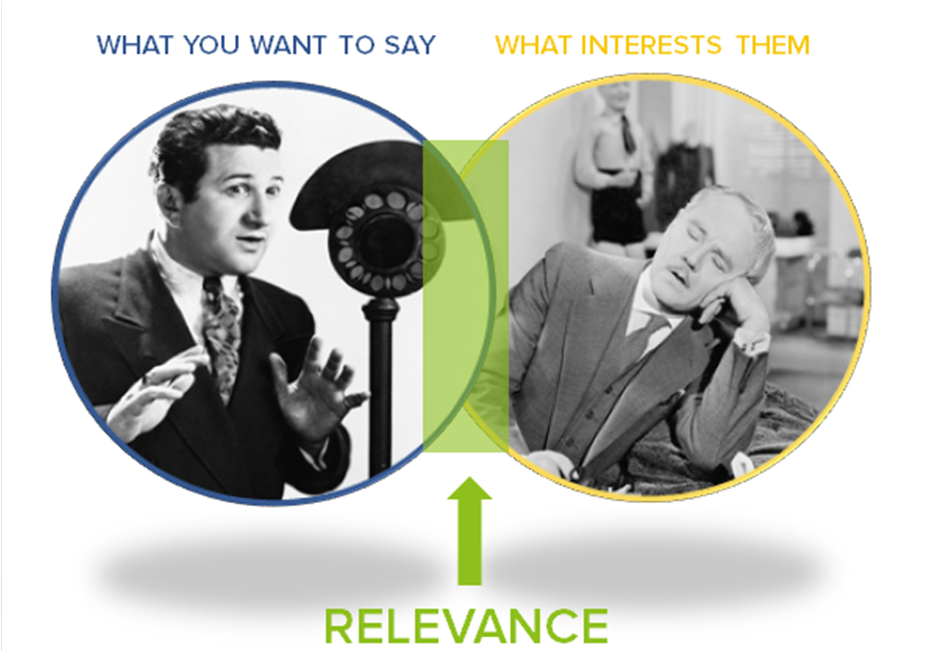
Find the sweet spot that covers what your audience wants to know and what you want to say.

  • Careful social listening
  • Industry monitoring
  • Customer surveys
  • Web marketing interaction analysis

For example, with Brafton's first infographic, Why Content for SEO, months of following news developments in the industry pointed toward a need for insights on the relationship between content and search rankings. More, a customer survey and a look at Brafton's web analytics revealed this content marketing brand engages a large group of highly SEO-focused leads. The topic was natural.

Executing the first one was slightly less natural as it took strategist, designer and writer out of their comfort zones... which brings us to visual impact.

Visual impact: Marrying message and design

A good infographic is a work of content marketing collaboration. Marketing strategists and researchers may want to cover certain ideas or stats, and the designer will be responsible for telling them when they've reached a limit for what can be put in a single image. On the other hand, designers might have good ideas for visual themes, and it will be the marketers and researchers' roles to ensure there are no inaccuracies or fluff.

Finding appropriate topics with visual potential is essential to having a desired impact. Brafton recently hosted an infographic marketing webinar, which included insights on finding subjects that can translate into designs with the right emotional (and ultimately, marketing) impact. The full webinar - which also covers tips for promoting graphics - is available online. In the mean time, here are a couple of strategies for framing market and editorial research into topics that make compelling visuals:

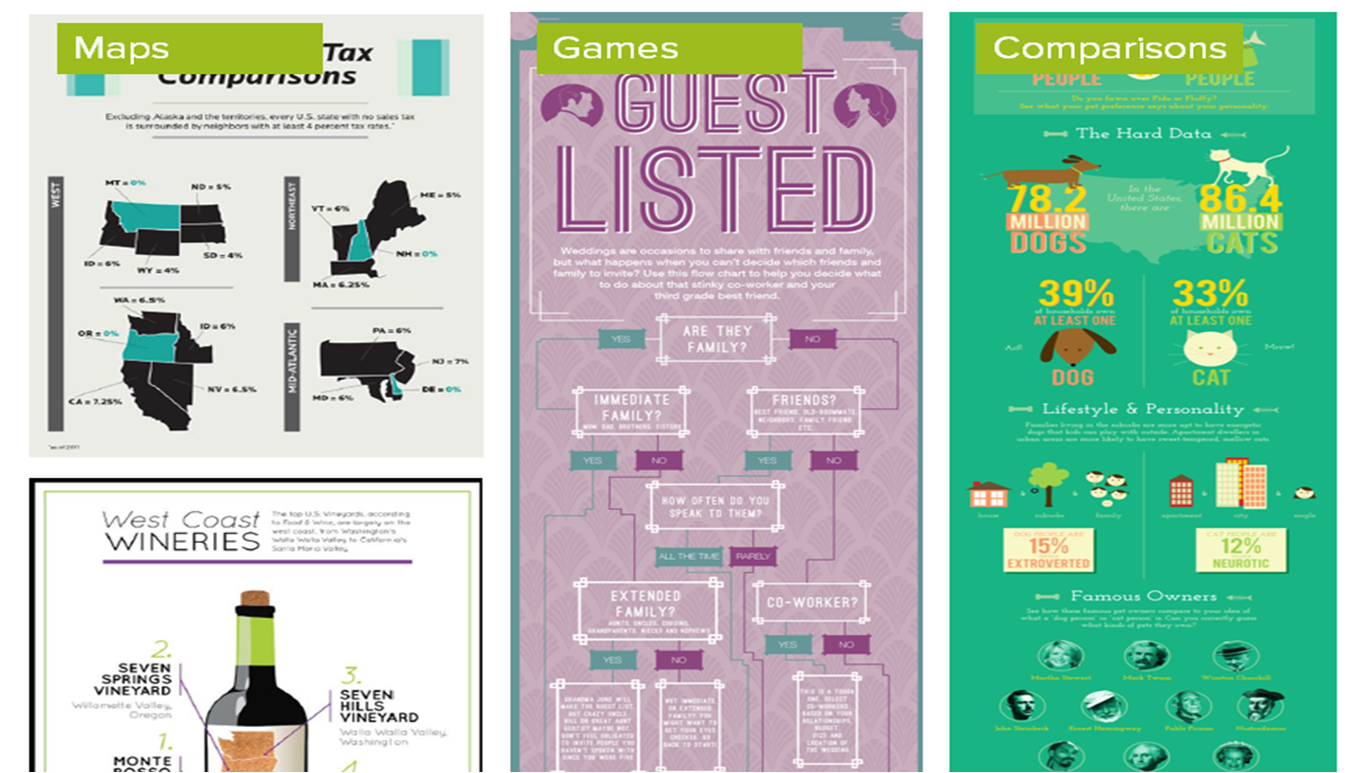
  1. Think local. Maps of where products or service-related issues are thriving can be useful and good-looking.
  2. Make something complicated a game. With a "choose your own adventure" flow chart or ripple-effect graphic, explain how something works or demonstrate its impact.
  3. Compare things. Present data related to two or more specific products, services or audience segments in an easy-to-compare chart

Topics with visual content marketing potential


The key is to bring together information and presentation to create something related to a brand - and its audience. This is key to audience building, and another Matt Cutts' quote on infographics hints at its potential for real link building success:

"Any infographics you create will do better if they're closely related to your business."

Measuring relationship building: Infographic success ... beyond links

When businesses successfully execute on-brand graphics, there's potential for meaningful audience engagement and bottom-line business results that remind marketers links are a means to an end.

Infographic measurably improves interaction

During its first month of publication, Google Analytics show Brafton's Why Content For SEO viewers who visited the site connected connected with the brand more than traffic that was not exposed to the graphic. Check out the chart to the right.

Traffic exposed to the infographic demonstrated an 8.3 percent increase in visit duration, viewed 1.3x pages and had a 67 percent higher conversion rate (with conversions being defined as anything from resource downloads that facilitate lead collection to scheduling demos. 

For more insights on what to do to position infographics for optimal results, be sure to check out Brafton's full webinar - or join the conversation with your ideas in our upcoming infographic marketing Twitter chat using the hashtag #cmQs. And - of course - check out our full infographic in why graphics are great for relationship building.

How are you using infographics for relationship building - online or off?

You are receiving this email because you subscribed to this feed at blogtrottr.com.

If you no longer wish to receive these emails, you can unsubscribe from this feed, or manage all your subscriptions

Brafton: Marketers’ social media strategies are dead on [data]

Changes are afoot at Blogtrottr!
By popular request, we're bringing in paid plans with some cool new features (and more on the way). You can read all about it in our blog post.
Brafton
News Content Marketing
Marketers' social media strategies are dead on [data]
Jul 1st 2013, 15:30, by Lauren Kaye

Marketers' social media strategies are on par with consumers' activity.

When it comes to managing social media marketing campaigns, companies should not be afraid to trust their instincts. These inclinations have led marketers to invest time and energy in networks on par with audiences' demand.

ComScore's Media Metrix Rank for the Top 50 U.S. Web Properties in May 2013 shows that among social networks, Facebook continues to reign supreme with 144.5 million unique U.S. visitors throughout the month. This total puts the social network fourth overall for most visited web properties in May, just behind the top three search engines - Google, Yahoo and Microsoft sites.

LinkedIn was the next social network to make the rankings, coming in at 21st with 52 million unique page visitors for the month. Twitter followed not far behind, earning 38.4 million visits for the month. Tumblr (36.5 million unique visitors) and Pinterest (27.9 million) also made the list, engaging social audiences with high-quality content.

It appears marketers' compasses are synchronized with consumers' wants because Social Media Examiner's 2013 Industry report shows these are the same networks companies deemed most important this year. Just under half (49 percent) cited Facebook as the focus of their practices, while Linkedin came in second, as the most crucial for 16 percent. Twelve percent cited Twitter as their action-critical social network, while Google+ and Pinterest round out the report. Two percent and one percent, respectively, said these sites were imperative for their social media strategies.

This shouldn't discourage marketers who have recently upped investments in less popular networks. It means companies have made wise decisions by first developing strong presences on the sites with the greatest reach before moving onto networks that target niche audiences.

Media files:
social-media-marketing-investments.jpg (image/jpeg, 0.4 MB)
You are receiving this email because you subscribed to this feed at blogtrottr.com.

If you no longer wish to receive these emails, you can unsubscribe from this feed, or manage all your subscriptions

Brafton: Data makes a case for live, long-form video content

Changes are afoot at Blogtrottr!
By popular request, we're bringing in paid plans with some cool new features (and more on the way). You can read all about it in our blog post.
Brafton
News Content Marketing
Data makes a case for live, long-form video content
Jul 1st 2013, 14:30, by Ted Karczewski

Consumers love live, long-form video content.

As brands explore ways to diversify their video marketing campaigns, they'll soon discover consumers prefer a wide array of visual content, including long-form clips. With the advent of social video sharing applications like Vine and Instagram video, marketers have experimented with shorter videos as ways to tease and entice viewers into checking out additional branded content. But companies' new and existing customers also want in-depth video content that tells an entire story in a single sitting.

A new study from Ooyala suggests consumers are no longer willing to allow producers to dictate how they view information online. This has led a lot of broadcasters to produce on-demand video clips for users to enjoy at any time, and has also encouraged brands to record media for customers to view at their leisure. However, the Ooyala study also shows that web users spend longer periods of time watching live video than on-demand posts - approximately 37 minutes longer per session.

Consumers allocate an average of 40 minutes to watching live, long-form video content per day, compared to 3.15 minutes for video-on-demand. If Ooyala's analysis carries over to how people engage with all forms of visual content on the web, it makes a case for brands to funnel resources toward live-broadcasts like webinars and Google+ Hangouts over recorded updates for YouTube or corporate websites.

Brafton recently reported that webinars are a serious conversion driver for many companies - both as live presentations and as downloadable web content after the event is completed. While in a recent ClickZ survey, consumers indicated they're more likely to engage with webinars in full on their own time, 19 percent of surveyed brands told Bright Local that they will focus more attention on webinars in 2013 than in the past. With consumers embracing live and long-form video content, it makes sense for marketers to create campaigns with their target markets's preferences in mind.

Media files:
shutterstock_118945375.jpg (image/jpeg, 0.6 MB)
You are receiving this email because you subscribed to this feed at blogtrottr.com.

If you no longer wish to receive these emails, you can unsubscribe from this feed, or manage all your subscriptions

Brafton: Reverse showrooming – it’s a thing

Changes are afoot at Blogtrottr!
By popular request, we're bringing in paid plans with some cool new features (and more on the way). You can read all about it in our blog post.
Brafton
News Content Marketing
Reverse showrooming – it's a thing
Jul 1st 2013, 13:30, by Ted Karczewski

Content and Coffee about Showrooming

Hi, Ted Karczewski with this week's Content & Coffee with Brafton. Social media has grown into such a complex channel that its recent evolutions are sights to behold by even today's most skeptical marketers.

[sublimevideo poster="http://cdn.brafton.com/wp-content/uploads/2013/07/Screen-shot-2013-07-01-at-8.36.42-AM.png" src1="http://videocontent.brafton.com/b9cc69a148bd9f4d/video/html5/mp4/540-1.mp4" src2="(hd)http://videocontent.brafton.com/b9cc69a148bd9f4d/video/custom/mp4/540-2.mp4" src3="http://videocontent.brafton.com/b9cc69a148bd9f4d/video/html5/mp4/540-1.mp4" src4="http://videocontent.brafton.com/b9cc69a148bd9f4d/video/html5/ogg/540.ogg" src5="(hd)http://videocontent.brafton.com/b9cc69a148bd9f4d/video/custom/ogg/540-3.ogg" width="746" height="420"]

From day one, brands with heavy offline presences looked at social with critical eyes. They claimed networks like Facebook and Twitter offered smoke-and-mirror results and were both wastes of time and money. A lot of this feedback stemmed from fear - business owners looked at social as their next great competitor.

However, recent studies show that social media marketing influences offline transactions just as much as it does online conversions. With so much research and innovation surrounding the emergence of social channels, consumers have adapted to their presences, and use networks in varying ways.

A study from Vision Critical shows that 26 percent of people engage in showrooming - the act of viewing products in stores, but buying online. But 41 percent of consumers perform the exact opposite behavior, browsing online and purchasing in stores. The source calls this "reverse showrooming."

I, for one, am tired of hearing critiques against social media's ability to inspire consumers to buy. Instead of finding flaws in social marketing, businesses should embrace new features and updates as ways to humanize their brands. People want to form relationships with the companies they buy from - it's called brand affinity, and it's more real than ever before.

I hope to see you online this week, engaging with your new and existing customers.

Catch you next week, and happy content marketing.

Media files:
Screen-shot-2013-07-01-at-8.36.42-AM.png (image/png, 0.8 MB)
You are receiving this email because you subscribed to this feed at blogtrottr.com.

If you no longer wish to receive these emails, you can unsubscribe from this feed, or manage all your subscriptions